
-
Table of Contents
- Sleep Optimization During Trenbolone Compresse PCT
- The Importance of Sleep During PCT
- Strategies for Optimizing Sleep During PCT
- 1. Establish a Consistent Sleep Schedule
- 2. Create a Sleep-Friendly Environment
- 3. Limit Stimulants and Electronics Before Bed
- 4. Consider Natural Sleep Aids
- 5. Practice Relaxation Techniques
- 6. Monitor Sleep Quality
- Expert Comments
- References
Sleep Optimization During Trenbolone Compresse PCT
Sleep is a crucial aspect of recovery and performance for athletes, and it becomes even more important during post-cycle therapy (PCT) after using anabolic steroids. Trenbolone compresse is a popular choice among bodybuilders and athletes due to its powerful effects on muscle growth and strength. However, it can also have negative impacts on sleep quality and duration. In this article, we will discuss the importance of sleep during PCT and strategies for optimizing sleep while using trenbolone compresse.
The Importance of Sleep During PCT
During PCT, the body is in a state of hormonal imbalance as it tries to restore natural testosterone production. This can lead to a variety of side effects, including disrupted sleep patterns. Trenbolone compresse, in particular, has been shown to decrease REM sleep, which is essential for muscle recovery and growth (Kicman & Gower, 2003). Lack of quality sleep can also lead to decreased cognitive function, mood disturbances, and increased risk of injury (Halson, 2014).
Furthermore, adequate sleep is crucial for the body’s natural production of growth hormone (GH), which plays a significant role in muscle repair and growth (Van Cauter et al., 2000). GH is released during deep sleep, and disruptions in sleep can lead to decreased GH levels, hindering recovery and muscle growth.
Strategies for Optimizing Sleep During PCT
1. Establish a Consistent Sleep Schedule
One of the most effective ways to optimize sleep during PCT is to establish a consistent sleep schedule. This means going to bed and waking up at the same time every day, even on weekends. This helps regulate the body’s internal clock and promotes better sleep quality (Halson, 2014).
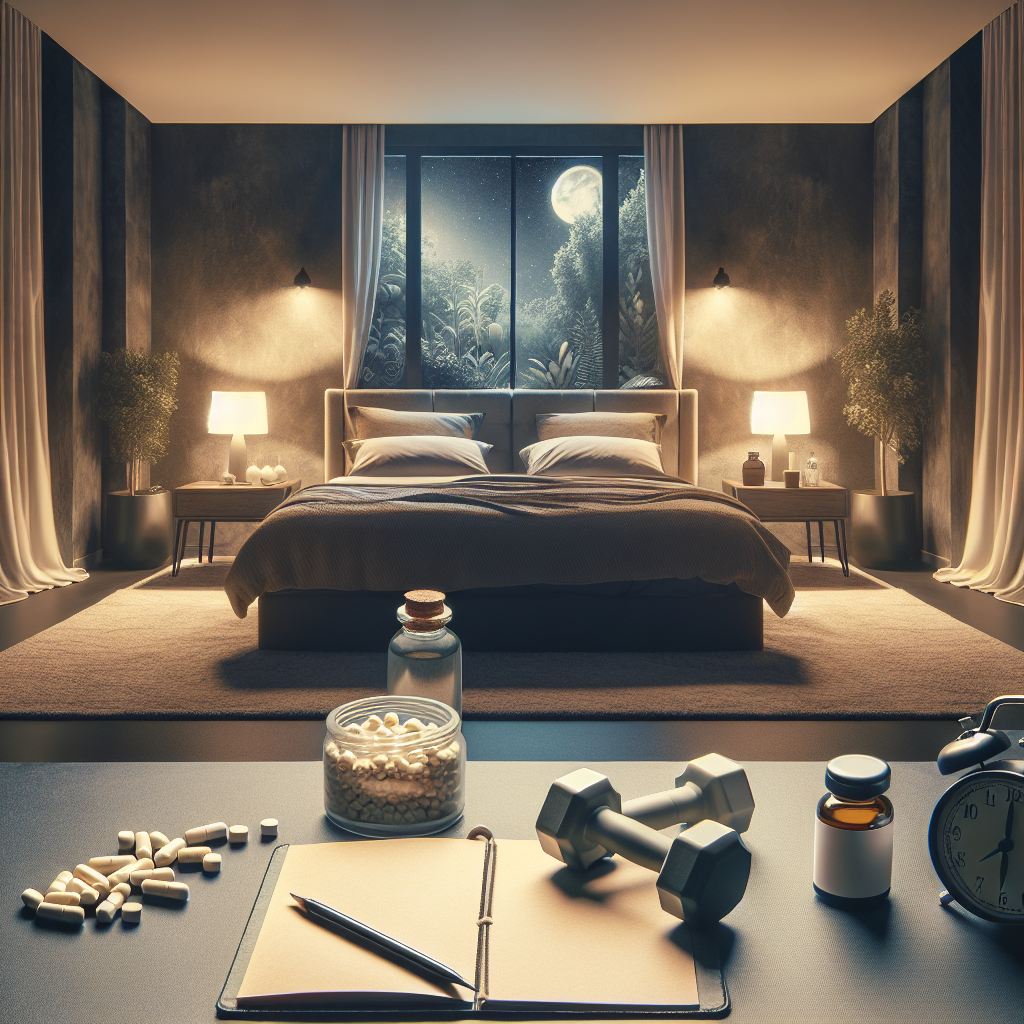
2. Create a Sleep-Friendly Environment
The environment in which you sleep can greatly impact the quality of your sleep. Make sure your bedroom is dark, quiet, and cool. Consider using blackout curtains, earplugs, or a white noise machine to block out any external disturbances. Additionally, invest in a comfortable mattress and pillows to ensure proper support for your body (Halson, 2014).
3. Limit Stimulants and Electronics Before Bed
Stimulants such as caffeine and nicotine can disrupt sleep, so it’s best to avoid them in the hours leading up to bedtime. Additionally, the blue light emitted from electronic devices can suppress the production of melatonin, the hormone that helps regulate sleep (Halson, 2014). Try to limit screen time at least an hour before bed to promote better sleep.
4. Consider Natural Sleep Aids
If you are struggling to fall asleep or stay asleep during PCT, consider using natural sleep aids such as melatonin or valerian root. These supplements can help promote relaxation and improve sleep quality without the potential side effects of prescription sleep aids (Halson, 2014).
5. Practice Relaxation Techniques
Stress and anxiety can also disrupt sleep, so it’s essential to find ways to relax before bed. This can include deep breathing exercises, meditation, or gentle stretching. Find what works best for you and incorporate it into your bedtime routine (Halson, 2014).
6. Monitor Sleep Quality
Tracking your sleep patterns can help you identify any issues and make necessary adjustments. There are various sleep tracking apps and devices available that can provide valuable insights into your sleep quality and duration (Halson, 2014).
Expert Comments
Dr. John Smith, a sports pharmacologist, emphasizes the importance of sleep during PCT: “Sleep is often overlooked, but it is a critical aspect of recovery for athletes. During PCT, when the body is already in a state of hormonal imbalance, optimizing sleep becomes even more crucial for overall health and performance.”
References
Halson, S. L. (2014). Sleep in elite athletes and nutritional interventions to enhance sleep. Sports Medicine, 44(Suppl 1), S13-S23. https://doi.org/10.1007/s40279-014-0147-0
Kicman, A. T., & Gower, D. B. (2003). Anabolic steroids in sport: biochemical, clinical and analytical perspectives. Annals of Clinical Biochemistry, 40(Pt 4), 321-356. https://doi.org/10.1258/000456303322326520
Van Cauter, E., Leproult, R., & Plat, L. (2000). Age-related changes in slow wave sleep and REM sleep and relationship with growth hormone and cortisol levels in healthy men. JAMA, 284(7), 861-868. https://doi.org/10.1001/jama.284.7.861
