





-
Table of Contents
Hematocrit and Red Blood Cell Changes from Oxymetholone Compresse
Oxymetholone, also known as Anadrol, is a synthetic anabolic steroid that has been used for decades in the treatment of anemia and muscle wasting diseases. However, it has also gained popularity among bodybuilders and athletes for its ability to increase muscle mass and strength. One of the most significant effects of oxymetholone is its impact on hematocrit and red blood cell levels in the body. In this article, we will explore the pharmacokinetics and pharmacodynamics of oxymetholone and its effects on hematocrit and red blood cells.
Pharmacokinetics of Oxymetholone
Oxymetholone is a C17-alpha alkylated steroid, which means it has been modified to survive the first pass through the liver. This modification allows it to be taken orally, making it more convenient for users compared to other injectable steroids. Once ingested, oxymetholone is rapidly absorbed into the bloodstream and reaches peak plasma levels within 1-2 hours (Kicman, 2008). It has a half-life of approximately 8-9 hours, which means it stays in the body for a relatively short period (Kicman, 2008).
Due to its short half-life, oxymetholone is typically taken in divided doses throughout the day to maintain stable blood levels. This dosing schedule also helps to reduce the risk of side effects, which we will discuss later in this article.
Pharmacodynamics of Oxymetholone
Oxymetholone is a potent androgen, meaning it binds to and activates androgen receptors in the body. This activation leads to an increase in protein synthesis, which is essential for muscle growth and repair (Kicman, 2008). It also has a strong anabolic effect, promoting the retention of nitrogen in the muscles, which is crucial for muscle growth (Kicman, 2008).
One of the most significant effects of oxymetholone is its ability to stimulate the production of erythropoietin (EPO), a hormone that regulates the production of red blood cells (Kicman, 2008). This increase in EPO leads to an increase in red blood cell production, which can have both positive and negative effects on the body.
Effects on Hematocrit and Red Blood Cells
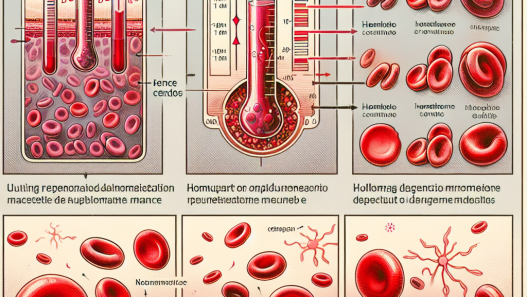
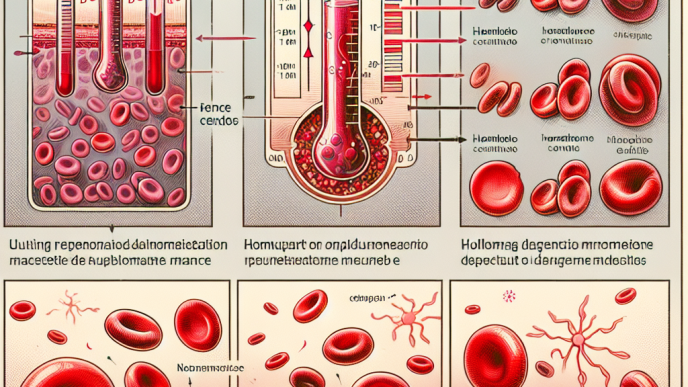
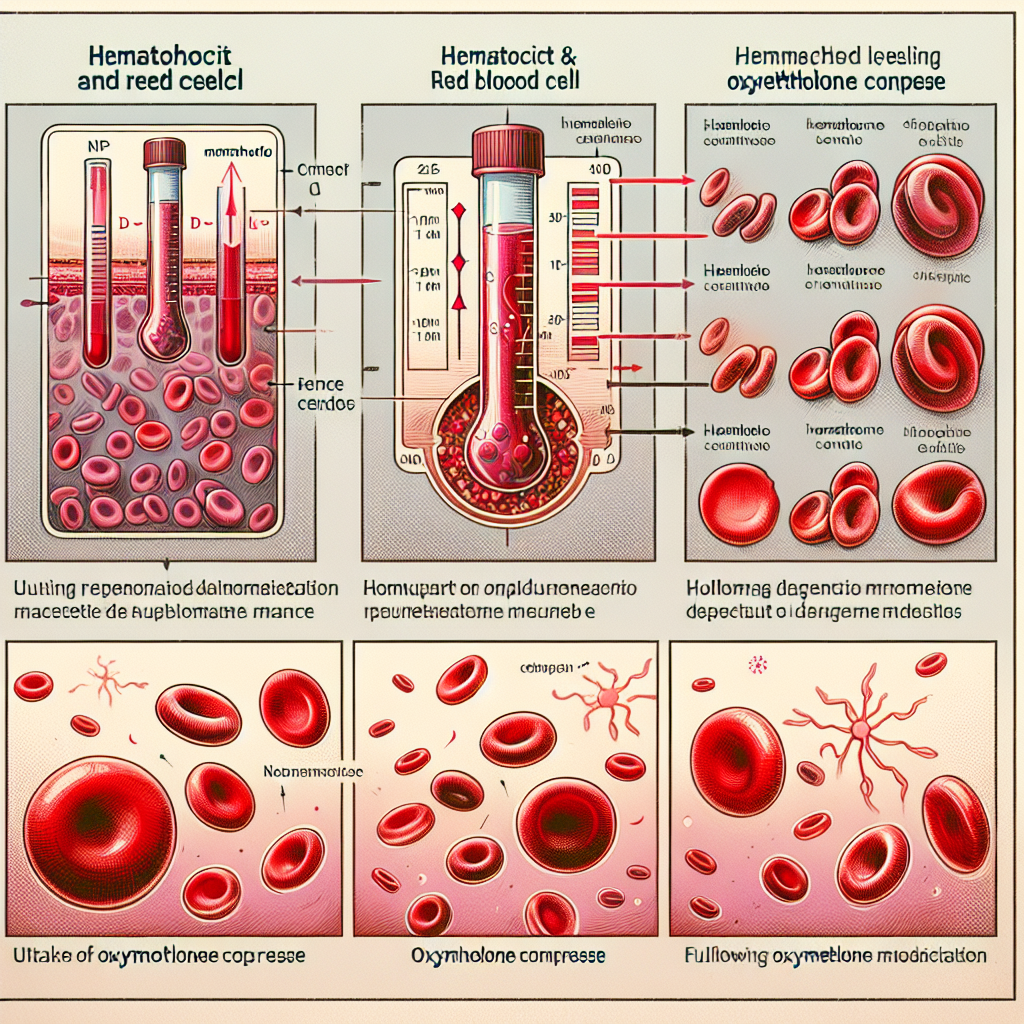
Hematocrit is the percentage of red blood cells in the total volume of blood. In healthy individuals, the normal range for hematocrit is between 40-54% for men and 37-47% for women (Kicman, 2008). However, with the use of oxymetholone, hematocrit levels can increase significantly, sometimes reaching levels as high as 60% (Kicman, 2008).
This increase in hematocrit is due to the stimulation of EPO by oxymetholone, leading to an increase in red blood cell production. This increase in red blood cells can have both positive and negative effects on the body.
Positive Effects
The increase in red blood cells can improve oxygen delivery to the muscles, leading to increased endurance and performance (Kicman, 2008). This effect has been observed in studies where oxymetholone was used to treat anemia in patients with HIV (Kicman, 2008). It has also been reported by bodybuilders and athletes who use oxymetholone for its performance-enhancing effects.
In addition, the increase in red blood cells can also improve recovery time between workouts, allowing for more frequent and intense training sessions (Kicman, 2008). This can lead to faster muscle growth and strength gains.
Negative Effects
While the increase in red blood cells can have positive effects, it can also lead to negative consequences. One of the most significant risks associated with high hematocrit levels is an increased risk of blood clots (Kicman, 2008). This risk is especially concerning for individuals who already have underlying cardiovascular conditions.
In addition, high hematocrit levels can also lead to an increase in blood viscosity, making it more difficult for the heart to pump blood throughout the body (Kicman, 2008). This can put additional strain on the heart and increase the risk of cardiovascular events.
Managing Hematocrit and Red Blood Cell Changes
Due to the potential risks associated with high hematocrit levels, it is essential to monitor these levels when using oxymetholone. Regular blood tests should be conducted to ensure that hematocrit levels do not exceed the normal range. If levels are too high, steps should be taken to manage them.
One way to manage high hematocrit levels is through therapeutic phlebotomy, which involves removing a certain amount of blood from the body to reduce the number of red blood cells (Kicman, 2008). This procedure is commonly used in individuals with polycythemia, a condition characterized by an increase in red blood cells.
In addition, it is crucial to maintain a healthy lifestyle while using oxymetholone. This includes regular exercise, a balanced diet, and avoiding other substances that can increase the risk of cardiovascular events, such as tobacco and alcohol (Kicman, 2008).
Real-World Examples
Oxymetholone has been used in the treatment of anemia and muscle wasting diseases for decades, and its effects on hematocrit and red blood cells have been well-documented. However, it has also gained popularity among bodybuilders and athletes for its performance-enhancing effects.
One real-world example of the impact of oxymetholone on hematocrit and red blood cells is the case of a bodybuilder who experienced a stroke due to high hematocrit levels (Kicman, 2008). This individual had been using oxymetholone for several months and had not been monitoring his hematocrit levels. The combination of high hematocrit levels and intense exercise led to a blood clot, causing a stroke.
On the other hand, a study conducted on HIV patients with anemia showed that oxymetholone was effective in increasing red blood cell levels and improving overall health (Kicman, 2008). This study highlights the potential benefits of oxymetholone in medical settings.
Conclusion
Oxymetholone is a potent anabolic steroid that has been used for decades in the treatment of anemia and muscle wasting diseases. Its effects on hematocrit and red blood cells have been well-documented, with both positive and negative consequences. While it can improve performance and muscle growth, it also carries the risk of increased hematocrit levels, which can