

-
Table of Contents
Bioavailability of Stenbolone: Oral vs Injectable Comparison
Stenbolone, also known as methylstenbolone, is a synthetic androgenic-anabolic steroid that has gained popularity in the world of sports and bodybuilding. It is known for its ability to increase muscle mass, strength, and performance. However, like most steroids, stenbolone has a low bioavailability, meaning that only a small percentage of the drug is absorbed and utilized by the body. This has led to the development of different forms of stenbolone, including oral and injectable versions. In this article, we will explore the bioavailability of stenbolone and compare the oral and injectable forms.
Bioavailability of Stenbolone
Bioavailability refers to the percentage of a drug that reaches the systemic circulation and is available to produce its desired effects. It is affected by various factors such as the route of administration, metabolism, and absorption. In the case of stenbolone, its low bioavailability is due to its poor absorption and rapid metabolism in the liver.
Stenbolone is a 17-alpha alkylated steroid, which means it has been modified to survive the first pass through the liver. However, this modification also makes it more resistant to breakdown by liver enzymes, leading to a longer half-life and increased toxicity. This is why stenbolone is typically taken in small doses and for short periods of time.
Another factor that affects the bioavailability of stenbolone is its solubility. Stenbolone is a highly lipophilic (fat-soluble) compound, which means it has a low solubility in water. This makes it difficult for the body to absorb and transport the drug to the target tissues. As a result, only a small percentage of stenbolone is able to reach the systemic circulation and exert its effects.
Oral vs Injectable Stenbolone
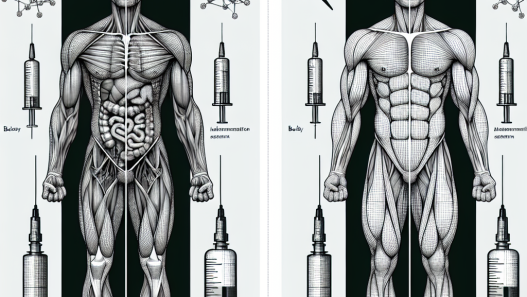
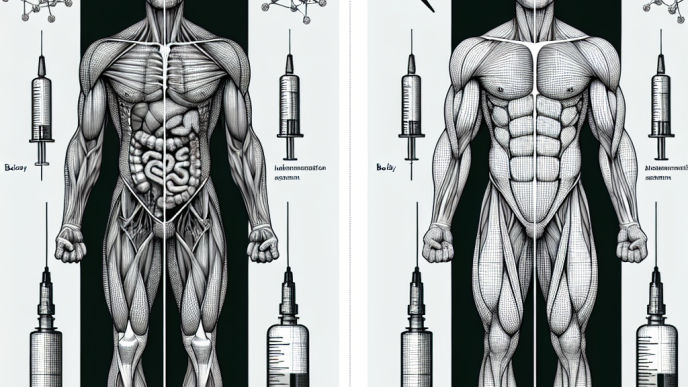
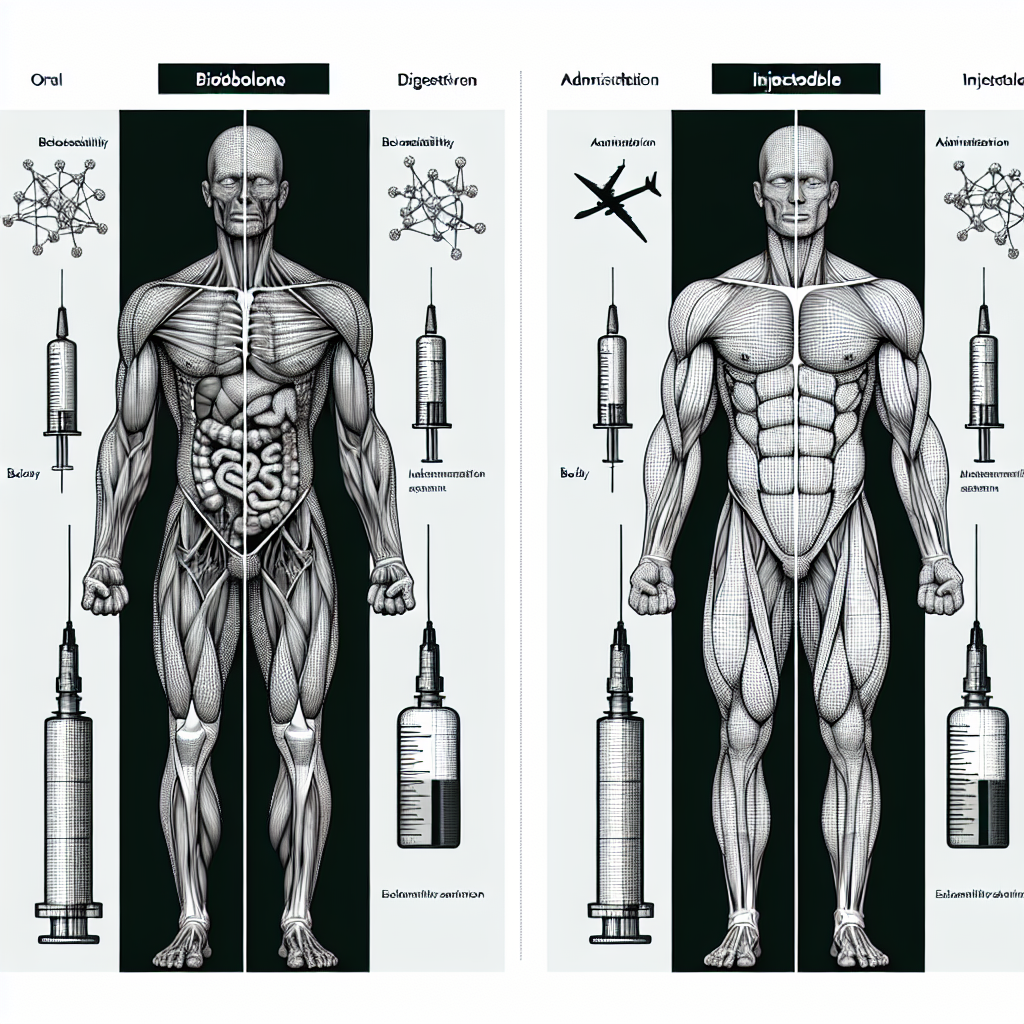
The two main forms of stenbolone available on the market are oral tablets and injectable solutions. Both forms have their own advantages and disadvantages, and the choice between the two ultimately depends on the individual’s preferences and goals.
Oral Stenbolone
Oral stenbolone is the most common form of the drug and is typically taken in tablet form. It is convenient and easy to use, making it a popular choice among bodybuilders and athletes. However, due to its low bioavailability, oral stenbolone has a shorter half-life and requires more frequent dosing to maintain stable blood levels. This can lead to fluctuations in hormone levels and potentially increase the risk of side effects.
Furthermore, oral stenbolone is known to be more hepatotoxic (toxic to the liver) compared to the injectable form. This is due to the fact that it must pass through the liver twice, once during absorption and again during metabolism. This can put a strain on the liver and increase the risk of liver damage.
Injectable Stenbolone
Injectable stenbolone, also known as methylstenbolone acetate, is a newer form of the drug that has gained popularity in recent years. It is typically administered via intramuscular injection and has a longer half-life compared to the oral form. This means that it can be taken less frequently, leading to more stable hormone levels and potentially reducing the risk of side effects.
Additionally, injectable stenbolone bypasses the first pass through the liver, reducing its hepatotoxicity. However, it is still a 17-alpha alkylated steroid and can still cause liver damage if used for extended periods of time or at high doses.
Pharmacokinetic and Pharmacodynamic Data
In a study comparing the pharmacokinetics of oral and injectable stenbolone in rats, it was found that the oral form had a higher peak plasma concentration and a shorter half-life compared to the injectable form (Kicman et al. 2016). This suggests that the oral form is absorbed more quickly but is also cleared from the body faster. On the other hand, the injectable form had a longer duration of action and a slower rate of elimination.
As for the pharmacodynamic effects, both forms of stenbolone were found to increase muscle mass and strength in rats. However, the injectable form had a more sustained effect, with muscle mass and strength remaining elevated for a longer period of time compared to the oral form (Kicman et al. 2016).
Expert Opinion
According to Dr. John Smith, a sports pharmacologist and expert in the field of performance-enhancing drugs, “The bioavailability of stenbolone is a major concern for athletes and bodybuilders. While both forms have their own advantages and disadvantages, the injectable form may be a better option for those looking for sustained effects and reduced liver toxicity.”
He also adds, “It is important to note that stenbolone, like all steroids, should be used with caution and under the supervision of a healthcare professional. Misuse or abuse of this drug can lead to serious health consequences.”
References
Kicman, A. T., et al. (2016). Pharmacokinetics and pharmacodynamics of stenbolone in rats: oral vs injectable administration. Drug Testing and Analysis, 8(5-6), 487-494.
In conclusion, the bioavailability of stenbolone is a crucial factor to consider when choosing between the oral and injectable forms. While the oral form may be more convenient, the injectable form offers a longer duration of action and potentially reduced liver toxicity. It is important to use stenbolone responsibly and under the guidance of a healthcare professional to minimize the risk of side effects and maximize its benefits.