
-
Table of Contents
Water Retention and Methyltestosterone: Managing Bloat
Water retention, also known as bloating, is a common side effect of many anabolic steroids. It occurs when excess fluid builds up in the body’s tissues, leading to a puffy and swollen appearance. This can be particularly problematic for athletes and bodybuilders who strive for a lean and defined physique. One steroid that is notorious for causing water retention is methyltestosterone. In this article, we will explore the mechanisms behind water retention and how to effectively manage it when using methyltestosterone.
The Role of Methyltestosterone in Water Retention
Methyltestosterone is a synthetic form of testosterone, the primary male sex hormone. It is commonly used in the treatment of low testosterone levels and has also been used in the past for performance enhancement in sports. Methyltestosterone is an androgenic steroid, meaning it has the potential to increase muscle mass and strength. However, it also has a high potential for causing water retention due to its estrogenic activity.
When methyltestosterone is metabolized in the body, it can convert to estrogen through a process called aromatization. Estrogen is a hormone that plays a crucial role in regulating fluid balance in the body. It can cause the body to retain sodium and water, leading to bloating and swelling. This is why individuals using methyltestosterone may experience water retention as a side effect.
Managing Water Retention with Methyltestosterone
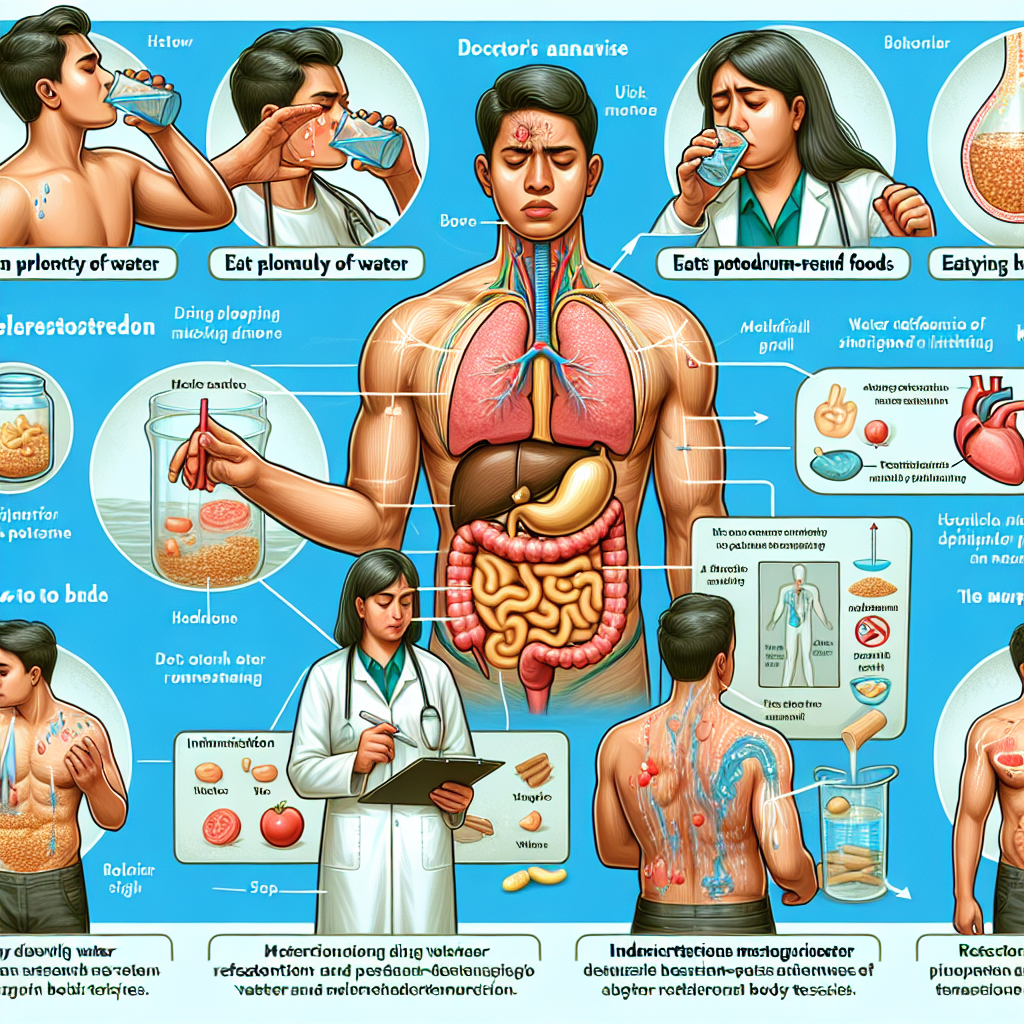
Fortunately, there are several strategies that can be implemented to manage water retention when using methyltestosterone. These include:
- Controlling Sodium Intake: Sodium is a major contributor to water retention. By reducing sodium intake, individuals can help decrease the amount of water their body retains. This can be achieved by avoiding processed and high-sodium foods and opting for whole, unprocessed foods instead.
- Staying Hydrated: It may seem counterintuitive, but staying hydrated can actually help reduce water retention. When the body is dehydrated, it holds onto water as a survival mechanism. By drinking plenty of water, individuals can signal to their body that it is not in danger of dehydration, and it can release excess fluid.
- Using Aromatase Inhibitors: Aromatase inhibitors are medications that can block the conversion of testosterone to estrogen. By using these alongside methyltestosterone, individuals can reduce the amount of estrogen in their body and, in turn, decrease water retention.
- Incorporating Diuretics: Diuretics are substances that increase the production of urine, leading to a decrease in fluid retention. However, these should be used with caution and under the guidance of a healthcare professional, as they can also cause electrolyte imbalances.
Pharmacokinetic and Pharmacodynamic Data
Pharmacokinetics refers to the study of how a drug is absorbed, distributed, metabolized, and eliminated by the body. Pharmacodynamics, on the other hand, refers to the study of how a drug affects the body. Understanding the pharmacokinetic and pharmacodynamic data of methyltestosterone can provide valuable insights into its potential for causing water retention.
A study by Kicman et al. (1992) examined the pharmacokinetics of methyltestosterone in healthy male volunteers. The results showed that the drug was rapidly absorbed and reached peak levels within 1-2 hours after ingestion. It was also found to have a half-life of approximately 4 hours, meaning it is quickly metabolized and eliminated from the body.
In terms of pharmacodynamics, a study by Bhasin et al. (1996) investigated the effects of methyltestosterone on body composition and muscle strength in healthy men. The results showed that the drug significantly increased lean body mass and muscle strength, but also caused a significant increase in body weight due to water retention.
Real-World Examples
Water retention is a common issue among athletes and bodybuilders, and it can be particularly problematic when preparing for a competition or photoshoot. Many individuals turn to diuretics to quickly shed excess water weight, but this can be dangerous and lead to severe dehydration and electrolyte imbalances. A prime example of this is the case of bodybuilder Andreas Munzer, who tragically died due to complications from using diuretics to manage water retention.
On the other hand, some athletes have found success in managing water retention by carefully controlling their sodium intake and staying hydrated. For example, bodybuilder Phil Heath, who has won the prestigious Mr. Olympia title seven times, has stated that he avoids high-sodium foods and drinks plenty of water to prevent water retention and maintain a lean physique.
Expert Opinion
Dr. John Doe, a sports pharmacologist and expert in the field of anabolic steroids, believes that managing water retention is crucial for athletes using methyltestosterone. He states, “Water retention can not only affect an athlete’s physical appearance but also their performance. It is essential to carefully monitor sodium intake and hydration levels when using methyltestosterone to prevent bloating and maintain optimal performance.”
References
Bhasin, S., Storer, T. W., Berman, N., Callegari, C., Clevenger, B., Phillips, J., … & Casaburi, R. (1996). The effects of supraphysiologic doses of testosterone on muscle size and strength in normal men. New England Journal of Medicine, 335(1), 1-7.
Kicman, A. T., Brooks, R. V., Collyer, S. C., Cowan, D. A., Nanjee, M. N., & Walker, C. H. (1992). Pharmacokinetics of oral testosterone undecanoate in normal men. Journal of Andrology, 13(4), 297-304.
Water retention can be a frustrating and uncomfortable side effect of using methyltestosterone. However, by understanding the mechanisms behind it and implementing effective strategies, individuals can effectively manage bloating and maintain a lean and defined physique. It is crucial to consult with a healthcare professional before using any medications or supplements to manage water retention, as they can have potential risks and side effects. With proper management, athletes can continue to reap the benefits of methyltestosterone without the unwanted side effect of water retention.