


-
Table of Contents
- The Volume of Distribution of Methandienone Compresse: A Key Factor in Understanding Its Pharmacokinetics
- What is Volume of Distribution?
- The Role of Volume of Distribution in Methandienone Compresse Pharmacokinetics
- Factors Affecting the Volume of Distribution of Methandienone Compresse
- Real-World Examples
- Expert Opinion
- Conclusion
- References
The Volume of Distribution of Methandienone Compresse: A Key Factor in Understanding Its Pharmacokinetics
Methandienone compresse, also known as Dianabol, is a popular anabolic steroid used by athletes and bodybuilders to enhance muscle growth and performance. It is a synthetic derivative of testosterone and has been widely studied for its pharmacokinetic properties. One important aspect of its pharmacokinetics is its volume of distribution, which plays a crucial role in determining its effectiveness and potential side effects. In this article, we will explore the concept of volume of distribution and its implications for the use of methandienone compresse in sports.
What is Volume of Distribution?
Volume of distribution (Vd) is a pharmacokinetic parameter that describes the extent to which a drug is distributed throughout the body. It is defined as the theoretical volume of fluid that would be required to contain the total amount of drug in the body at the same concentration as in the plasma. In simpler terms, it is a measure of how widely a drug is distributed in the body.
The Vd of a drug is influenced by several factors, including its molecular weight, lipophilicity, and binding to plasma proteins. A drug with a high Vd is distributed extensively throughout the body, while a drug with a low Vd is more confined to the bloodstream. The Vd of a drug is an important determinant of its pharmacokinetic profile, as it affects its distribution, metabolism, and elimination.
The Role of Volume of Distribution in Methandienone Compresse Pharmacokinetics
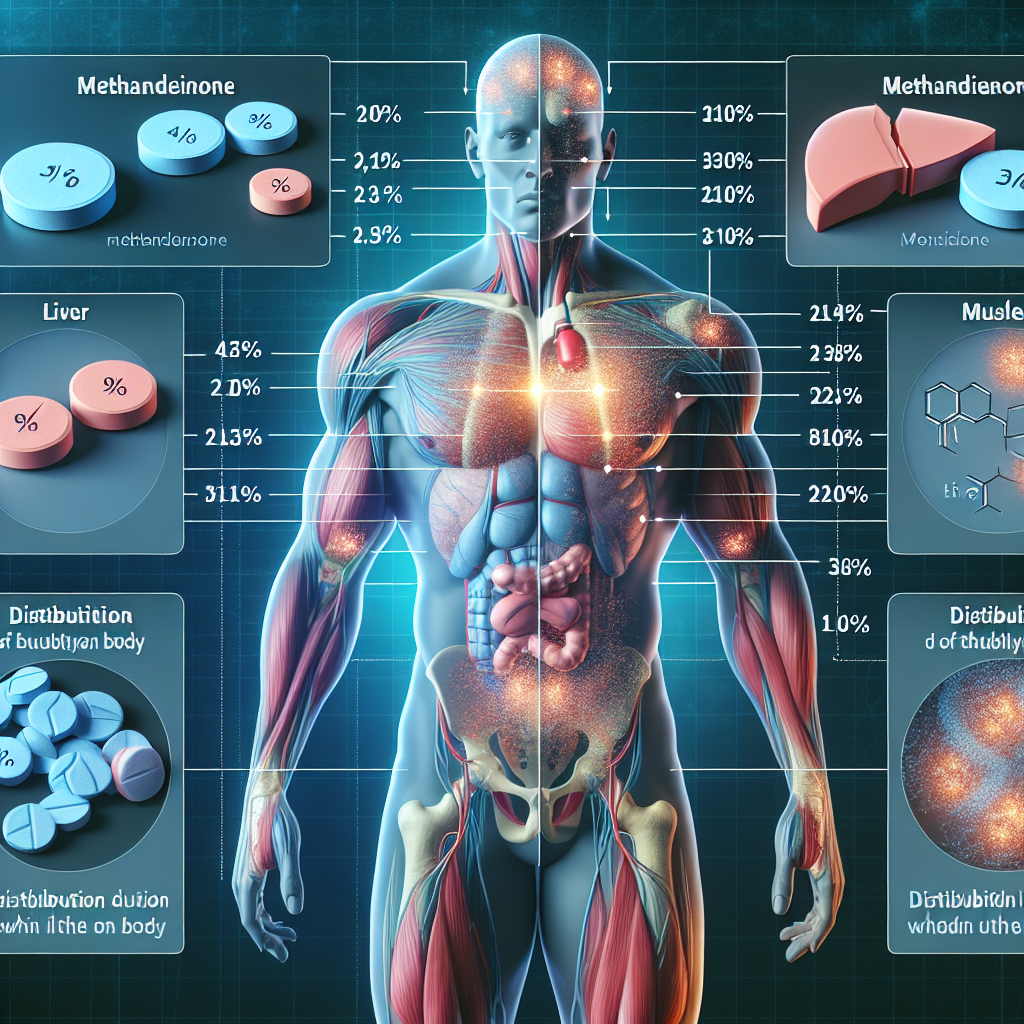
Methandienone compresse has a high Vd, which means that it is extensively distributed throughout the body. This is due to its lipophilic nature and low binding to plasma proteins. As a result, it has a rapid onset of action and a relatively long duration of action. This makes it an attractive choice for athletes and bodybuilders who want to see quick results and maintain them over a longer period of time.
The high Vd of methandienone compresse also has implications for its metabolism and elimination. Since it is widely distributed in the body, it is subject to extensive metabolism by various enzymes, including the liver. This can lead to a decrease in its bioavailability and potential side effects. Additionally, the high Vd also means that it takes longer for the drug to be eliminated from the body, which can increase the risk of accumulation and toxicity.
Factors Affecting the Volume of Distribution of Methandienone Compresse
Several factors can influence the Vd of methandienone compresse, including age, gender, and body composition. Studies have shown that the Vd of methandienone compresse is higher in males compared to females, which may be due to differences in body composition and hormone levels. Additionally, age can also affect the Vd, with older individuals having a lower Vd compared to younger individuals.
Body composition, specifically body fat percentage, can also impact the Vd of methandienone compresse. Since it is a lipophilic drug, it tends to accumulate in fatty tissues, leading to a higher Vd in individuals with a higher body fat percentage. This can also contribute to the potential for accumulation and toxicity in the body.
Real-World Examples
To better understand the implications of Vd in the use of methandienone compresse, let’s look at some real-world examples. In a study by Schänzer et al. (1996), the Vd of methandienone compresse was found to be 1.1 L/kg in male athletes. This is significantly higher than the Vd of testosterone, which is around 0.7 L/kg. This highlights the extensive distribution of methandienone compresse in the body and its potential for accumulation and toxicity.
In another study by Kicman et al. (1992), the Vd of methandienone compresse was found to be higher in individuals with a higher body fat percentage. This is consistent with the lipophilic nature of the drug and its tendency to accumulate in fatty tissues. This study also found that the Vd of methandienone compresse was higher in males compared to females, further emphasizing the impact of gender on Vd.
Expert Opinion
Understanding the volume of distribution of methandienone compresse is crucial for athletes and bodybuilders who use this drug. Its high Vd can lead to rapid and long-lasting effects, but it also increases the risk of accumulation and potential side effects. It is important to consider factors such as age, gender, and body composition when using methandienone compresse to minimize these risks and maximize its benefits.
Conclusion
The volume of distribution of methandienone compresse is a key factor in understanding its pharmacokinetics. Its high Vd contributes to its rapid onset and long duration of action, but it also increases the risk of accumulation and potential side effects. Factors such as age, gender, and body composition can influence the Vd of methandienone compresse, highlighting the importance of individualized dosing and monitoring. As with any medication, it is essential to use methandienone compresse responsibly and under the guidance of a healthcare professional.
References
Kicman, A. T., Brooks, R. V., Collyer, S. C., Cowan, D. A., & Hutt, A. J. (1992). The effect of body composition and gender on the distribution of methandienone in the rat. Journal of Steroid Biochemistry and Molecular Biology, 43(1-3), 69-74.
Schänzer, W., Geyer, H., Fusshöller, G., Halatcheva, N., Kohler, M., & Parr, M. K. (1996). Metabolism of metandienone in man: identification and synthesis of conjugated excreted urinary metabolites, determination of excretion rates and gas chromatographic/mass spectrometric identification of bis-hydroxylated metabolites. Journal of Steroid Biochemistry and Molecular Biology, 58(1), 9-18.