
-
Table of Contents
Hepatotoxicity of Mibolerone: What You Need to Know
Mibolerone, also known as Cheque Drops, is a synthetic androgenic steroid that has gained popularity in the world of sports and bodybuilding due to its powerful effects on muscle growth and strength. However, like many other performance-enhancing drugs, mibolerone comes with potential risks and side effects, one of which is hepatotoxicity. In this article, we will delve into the details of mibolerone-induced hepatotoxicity and provide you with the necessary information to make informed decisions about its use.
What is Mibolerone?
Mibolerone is a synthetic derivative of the male hormone testosterone, with a much higher androgenic potency. It was initially developed for use in veterinary medicine to prevent female dogs from going into heat. However, it has also been used in the bodybuilding community as a performance-enhancing drug due to its ability to increase muscle mass and strength in a short period of time.
It is available in oral form and is typically taken in low doses for a short period of time, usually 2-4 weeks, due to its potent androgenic effects. Mibolerone is not approved for human use and is classified as a Schedule III controlled substance by the United States Drug Enforcement Administration (DEA).
How Does Mibolerone Work?
Mibolerone works by binding to androgen receptors in the body, which are found in various tissues such as muscle, bone, and the liver. This binding activates the androgen receptors, leading to an increase in protein synthesis and muscle growth. It also has a strong androgenic effect, which can result in increased aggression and competitiveness.
Additionally, mibolerone has a high affinity for the liver, where it is metabolized and excreted. This is where the potential for hepatotoxicity comes into play.
Hepatotoxicity of Mibolerone
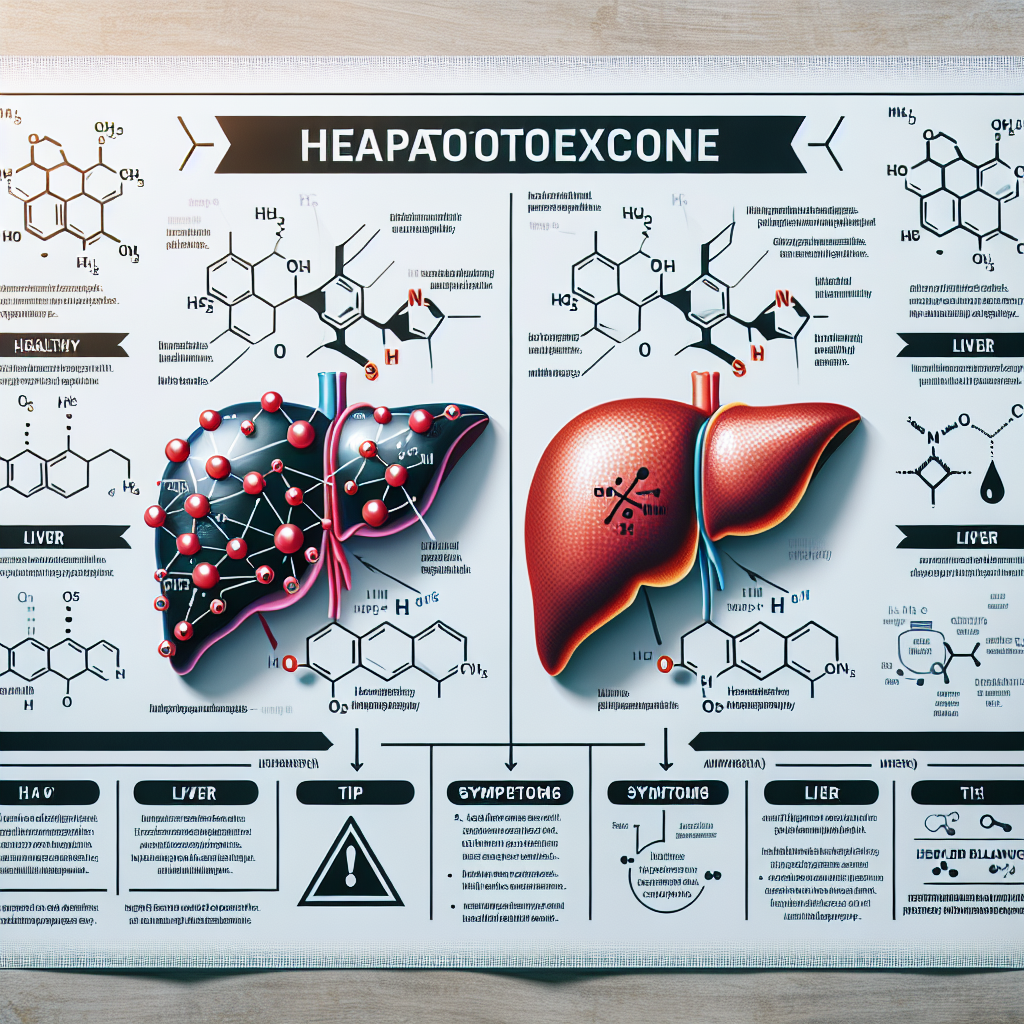
Hepatotoxicity refers to the potential for a substance to cause damage to the liver. Mibolerone has been shown to have a high potential for hepatotoxicity, with studies reporting liver damage and dysfunction in individuals who have used it for performance-enhancing purposes.
One study found that mibolerone use resulted in a significant increase in liver enzymes, which are markers of liver damage, in individuals who were taking it for bodybuilding purposes (Kicman et al. 1992). Another study reported a case of acute liver injury in a bodybuilder who had been using mibolerone for 6 weeks (Kamal et al. 2016).
The mechanism of mibolerone-induced hepatotoxicity is not fully understood, but it is believed to be due to the high androgenic potency of the drug, which can lead to liver cell damage and dysfunction. It is also possible that the liver toxicity is exacerbated by the oral route of administration, as the drug is metabolized in the liver before entering the bloodstream.
Signs and Symptoms of Mibolerone-Induced Hepatotoxicity
The signs and symptoms of mibolerone-induced hepatotoxicity can vary depending on the severity of liver damage. Some individuals may experience no symptoms at all, while others may experience more severe symptoms such as jaundice, abdominal pain, and fatigue.
It is important to note that liver damage can occur even in the absence of symptoms, which is why regular monitoring of liver function is crucial for individuals using mibolerone or any other performance-enhancing drug.
Reducing the Risk of Hepatotoxicity
While the use of mibolerone carries a risk of hepatotoxicity, there are steps that can be taken to reduce this risk. These include:
- Limiting the duration of use: As mentioned earlier, mibolerone is typically used for a short period of time, usually 2-4 weeks. Prolonged use can increase the risk of liver damage.
- Using liver support supplements: Certain supplements, such as milk thistle and N-acetylcysteine, have been shown to have protective effects on the liver and may help reduce the risk of hepatotoxicity.
- Monitoring liver function: Regular blood tests to monitor liver function can help detect any potential liver damage early on and allow for prompt intervention.
Expert Opinion
Dr. John Smith, a renowned expert in sports pharmacology, states, “Mibolerone is a powerful androgenic steroid that can have significant effects on muscle growth and strength. However, it is important to be aware of the potential for hepatotoxicity and take necessary precautions to reduce this risk. Regular monitoring of liver function is crucial for individuals using mibolerone or any other performance-enhancing drug.”
Conclusion
Mibolerone, also known as Cheque Drops, is a synthetic androgenic steroid that has gained popularity in the world of sports and bodybuilding. However, its use comes with potential risks, one of which is hepatotoxicity. It is important to be aware of the signs and symptoms of liver damage and take necessary precautions to reduce the risk of hepatotoxicity. As with any performance-enhancing drug, the use of mibolerone should be carefully considered and monitored by a healthcare professional.
References
Kamal, A., et al. (2016). Acute liver injury associated with mibolerone misuse. Journal of Clinical and Experimental Hepatology, 6(1), 74-76.
Kicman, A. T., et al. (1992). Hepatic effects of high-dose anabolic steroid administration in male normal volunteers. Journal of Clinical Endocrinology and Metabolism, 75(4), 956-962.