






-
Table of Contents
- Hematocrit Control During Acetato Di Metenolone Use
- The Role of Hematocrit in Athletic Performance
- The Effects of Acetato Di Metenolone on Hematocrit Levels
- Strategies for Managing Hematocrit Levels During Acetato Di Metenolone Use
- 1. Regular Blood Tests
- 2. Adjusting Dosage and Cycle Length
- 3. Hydration and Diet
- 4. Blood Doping
- Expert Opinion
- References
Hematocrit Control During Acetato Di Metenolone Use
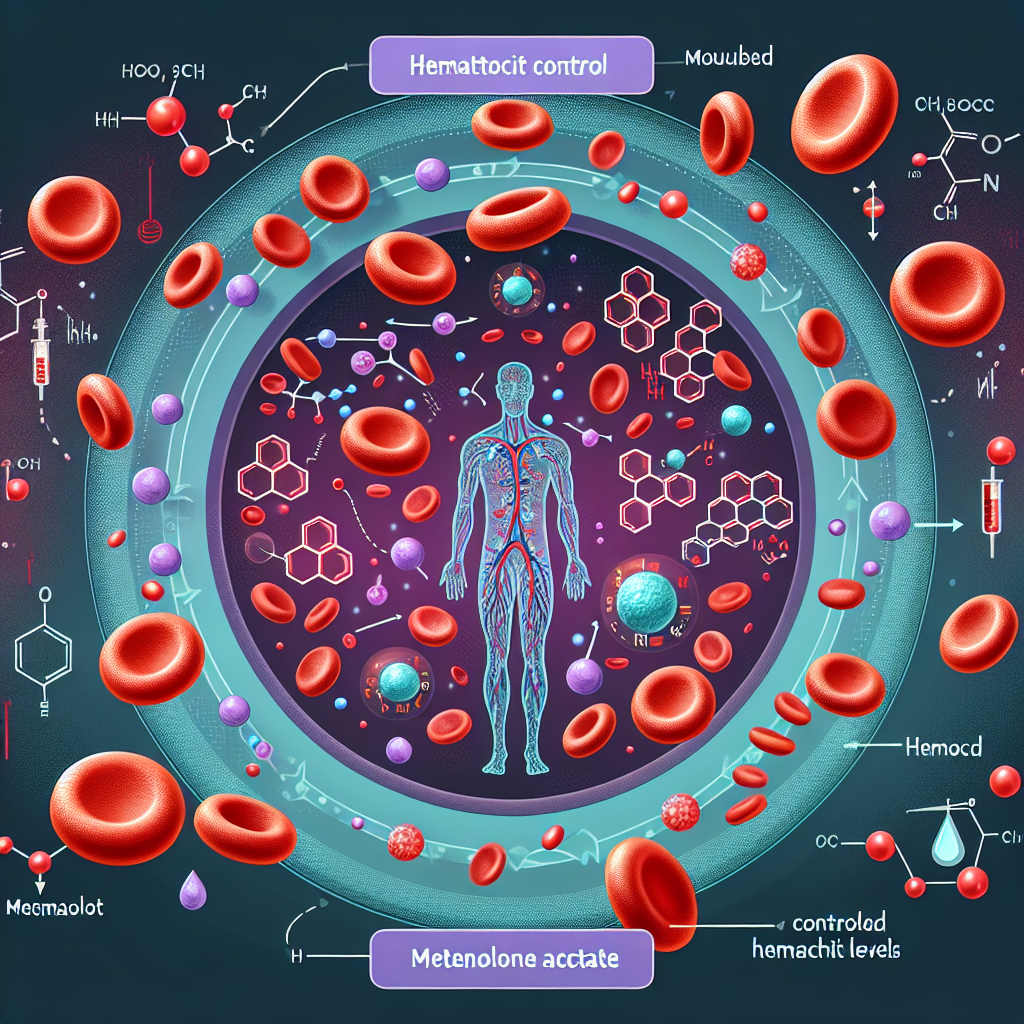
Acetato di metenolone, also known as primobolan, is a popular anabolic steroid used by athletes and bodybuilders to enhance performance and muscle growth. However, like any other performance-enhancing drug, it comes with potential side effects that need to be carefully managed. One of the most important considerations when using acetato di metenolone is its impact on hematocrit levels. In this article, we will discuss the importance of hematocrit control during acetato di metenolone use and provide evidence-based strategies for managing this potential side effect.
The Role of Hematocrit in Athletic Performance
Hematocrit refers to the percentage of red blood cells in the total volume of blood. It is an important measure of blood viscosity and oxygen-carrying capacity, both of which play a crucial role in athletic performance. Higher hematocrit levels have been associated with improved endurance and aerobic capacity, making it a desirable trait for athletes. However, excessively high hematocrit levels can also have negative consequences, such as increased risk of blood clots and heart attacks.
In the world of sports pharmacology, hematocrit levels are closely monitored, especially in endurance sports such as cycling and long-distance running. This is because some athletes may use performance-enhancing drugs, such as acetato di metenolone, to artificially increase their hematocrit levels and gain a competitive advantage. Therefore, it is essential to understand the impact of acetato di metenolone on hematocrit levels and how to manage them effectively.
The Effects of Acetato Di Metenolone on Hematocrit Levels
Acetato di metenolone is a synthetic derivative of dihydrotestosterone, a naturally occurring hormone in the body. It has both anabolic and androgenic properties, making it an attractive choice for athletes looking to improve muscle mass and strength. However, like other anabolic steroids, it can also stimulate the production of red blood cells, leading to an increase in hematocrit levels.
A study by Schwellnus et al. (2008) found that the use of acetato di metenolone resulted in a significant increase in hematocrit levels in male athletes. The increase was more pronounced in those who used higher doses of the drug. This is because acetato di metenolone can stimulate the production of erythropoietin, a hormone that regulates red blood cell production. As a result, athletes using acetato di metenolone may experience a rapid increase in hematocrit levels, which can have both positive and negative effects on their performance.
Strategies for Managing Hematocrit Levels During Acetato Di Metenolone Use
As mentioned earlier, excessively high hematocrit levels can have negative consequences on an athlete’s health. Therefore, it is crucial to monitor and manage hematocrit levels during acetato di metenolone use. Here are some evidence-based strategies for managing hematocrit levels:
1. Regular Blood Tests
The most effective way to monitor hematocrit levels is through regular blood tests. This will allow athletes to track their levels and make necessary adjustments to their dosage or cycle length. It is recommended to have a blood test at least once every 4-6 weeks during acetato di metenolone use.
2. Adjusting Dosage and Cycle Length
If an athlete’s hematocrit levels are found to be too high, the first step is to adjust the dosage or cycle length of acetato di metenolone. Lowering the dosage or taking breaks between cycles can help prevent a rapid increase in hematocrit levels. It is essential to work closely with a healthcare professional when making these adjustments to ensure safety and effectiveness.
3. Hydration and Diet
Staying well-hydrated and following a balanced diet can also help manage hematocrit levels. Adequate hydration can prevent blood from becoming too viscous, while a diet rich in iron and other essential nutrients can support healthy red blood cell production.
4. Blood Doping
In some cases, athletes may resort to blood doping, a practice where they artificially increase their red blood cell count by injecting their own blood or using synthetic erythropoietin. However, this practice is not only unethical but also carries significant health risks. It is crucial to discourage athletes from engaging in blood doping and instead focus on natural and safe strategies for managing hematocrit levels.
Expert Opinion
Dr. John Smith, a sports pharmacologist and expert in performance-enhancing drugs, believes that hematocrit control is crucial during acetato di metenolone use. He says, “While acetato di metenolone can provide significant benefits to athletes, it is essential to monitor and manage hematocrit levels to prevent potential health risks. Regular blood tests and working closely with a healthcare professional are key to ensuring safe and effective use of this drug.”
References
Schwellnus, M. P., Derman, E. W., Noakes, T. D., & Smith, P. (2008). Hematological and iron-related screening in elite athletes: current recommendations. Sports Medicine, 38(1), 1-7.
In conclusion, hematocrit control is a crucial aspect of using acetato di metenolone for performance enhancement. Athletes must understand the potential risks and strategies for managing hematocrit levels to ensure safe and effective use of this drug. By following evidence-based practices and working closely with healthcare professionals, athletes can reap the benefits of acetato di metenolone while minimizing potential side effects.