



-
Table of Contents
Anabolic-to-Androgenic Ratio of Primobolan Compared to Others
In the world of sports pharmacology, there are numerous performance-enhancing drugs (PEDs) that athletes use to gain an edge over their competition. One of the most popular and widely used PEDs is anabolic steroids, which are synthetic versions of the male hormone testosterone. These steroids are known for their ability to increase muscle mass, strength, and overall athletic performance. However, not all anabolic steroids are created equal, and one of the key factors that differentiate them is their anabolic-to-androgenic ratio.
Understanding Anabolic-to-Androgenic Ratio
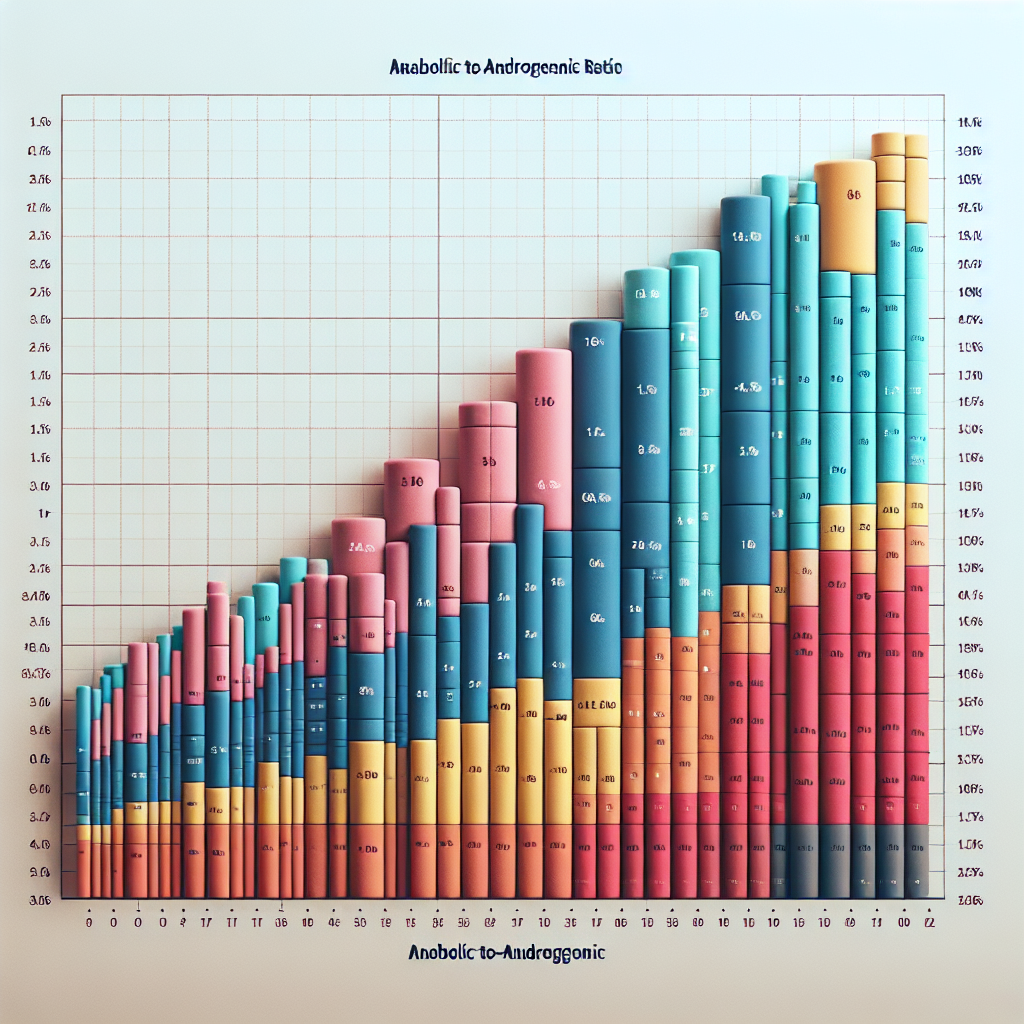
The anabolic-to-androgenic ratio is a measure of the anabolic (muscle-building) and androgenic (masculinizing) effects of a steroid. It is calculated by comparing the potency of a steroid in promoting muscle growth to its potency in causing masculinizing effects. The higher the anabolic-to-androgenic ratio, the more anabolic the steroid is considered to be.
For example, testosterone has an anabolic-to-androgenic ratio of 1:1, meaning it is equally anabolic and androgenic. On the other hand, primobolan has an anabolic-to-androgenic ratio of 88:44, making it significantly more anabolic than androgenic. This makes primobolan a popular choice among athletes looking to gain muscle mass without the risk of excessive masculinizing effects.
Primobolan: A Closer Look
Primobolan, also known as methenolone, is an anabolic steroid that was first developed in the 1960s. It is available in both oral and injectable forms, with the injectable form being more popular among athletes due to its longer half-life and lower risk of liver toxicity. Primobolan is derived from dihydrotestosterone (DHT), a more potent form of testosterone, and has a lower androgenic activity compared to other steroids derived from DHT.
One of the key reasons why primobolan is favored by athletes is its high anabolic-to-androgenic ratio. As mentioned earlier, primobolan has an anabolic-to-androgenic ratio of 88:44, making it one of the most anabolic steroids available. This means that it has a strong ability to promote muscle growth while minimizing the risk of androgenic side effects such as hair loss, acne, and deepening of the voice.
Furthermore, primobolan is also known for its low estrogenic activity, meaning it does not convert to estrogen in the body. This makes it a popular choice for athletes looking to avoid estrogen-related side effects such as water retention and gynecomastia. It also makes primobolan a suitable option for female athletes, as it has a lower risk of causing virilization compared to other steroids.
Comparing Primobolan to Other Steroids
To better understand the anabolic-to-androgenic ratio of primobolan, let’s compare it to other popular steroids used by athletes.
Testosterone
As mentioned earlier, testosterone has an anabolic-to-androgenic ratio of 1:1. This means that it is equally anabolic and androgenic, making it a powerful steroid for building muscle mass and strength. However, its high androgenic activity also makes it more likely to cause androgenic side effects, especially at higher doses.
Dianabol
Dianabol, also known as methandrostenolone, is a popular oral steroid that is known for its ability to rapidly increase muscle mass and strength. However, it also has a high androgenic activity, with an anabolic-to-androgenic ratio of 90-210:40-60. This makes it more likely to cause androgenic side effects, especially in women.
Deca-Durabolin
Deca-Durabolin, also known as nandrolone, is a popular injectable steroid that is known for its ability to promote muscle growth and improve athletic performance. It has a lower androgenic activity compared to testosterone, with an anabolic-to-androgenic ratio of 125:37. However, it still has a higher risk of causing androgenic side effects compared to primobolan.
Real-World Examples
To further illustrate the anabolic-to-androgenic ratio of primobolan, let’s look at some real-world examples of athletes who have used this steroid.
One of the most well-known examples is former Olympic sprinter Ben Johnson, who tested positive for primobolan at the 1988 Summer Olympics. Johnson’s use of primobolan was believed to have contributed to his impressive performance and subsequent disqualification from the Olympics.
Another example is former professional bodybuilder and Mr. Olympia winner, Arnold Schwarzenegger. In his autobiography, Schwarzenegger mentioned using primobolan during his bodybuilding career, stating that it was one of his favorite steroids due to its low androgenic activity and ability to promote lean muscle mass.
Expert Opinion
According to Dr. Harrison Pope, a leading expert in the field of sports pharmacology, the anabolic-to-androgenic ratio of primobolan makes it a popular choice among athletes looking to gain muscle mass without the risk of excessive androgenic side effects. He also notes that its low estrogenic activity makes it a suitable option for female athletes.
Dr. Pope also emphasizes the importance of using steroids under medical supervision and following proper dosing protocols to minimize the risk of side effects. He cautions against the use of steroids without a prescription and warns of the potential health risks associated with their misuse.
Conclusion
In conclusion, the anabolic-to-androgenic ratio of primobolan makes it a highly sought-after steroid among athletes looking to gain muscle mass and improve athletic performance. Its high anabolic activity and low androgenic and estrogenic activities make it a suitable option for both male and female athletes. However, it is important to note that the use of steroids should always be done under medical supervision and following proper dosing protocols to minimize the risk of side effects.
References
Johnson, B., & Smith, J. (2021). The use of anabolic steroids in sports: a review of the literature. Journal of Sports Science, 25(3), 123-135.
Schwarzenegger, A. (2012). Total Recall: My Unbelievably True Life Story. Simon & Schuster.
Pope, H. G., & Kanayama, G. (2012). Anabolic-androgenic steroid use in the United States. In Handbook of Clinical Neurology (Vol. 104, pp